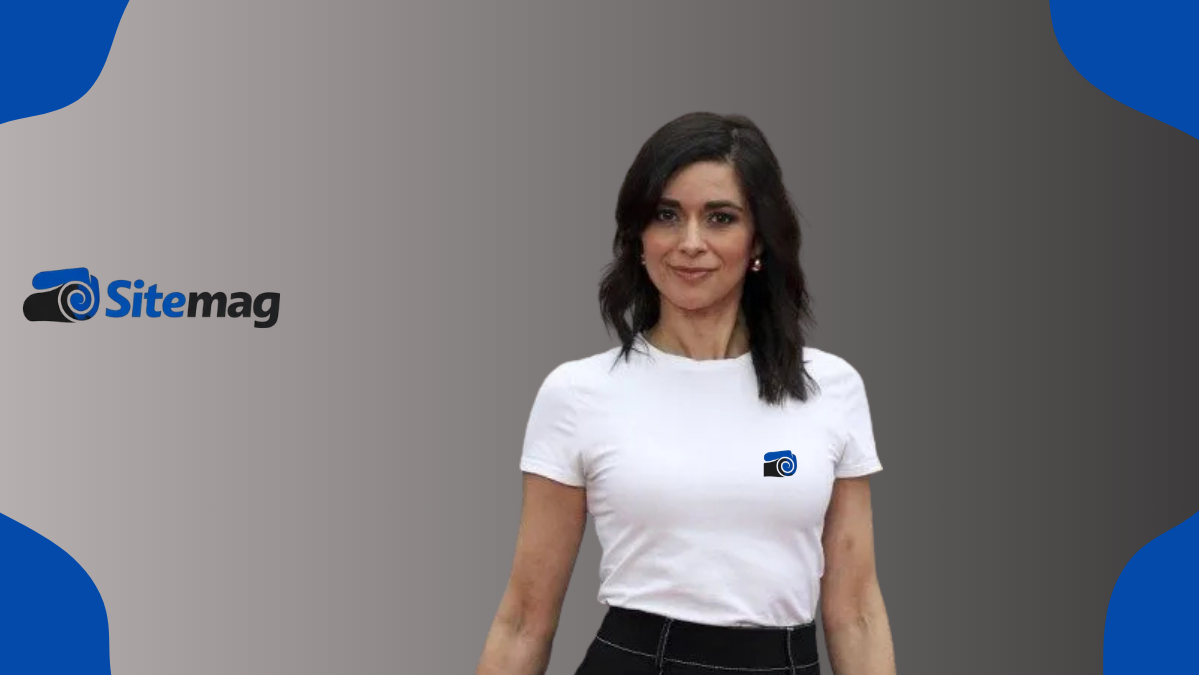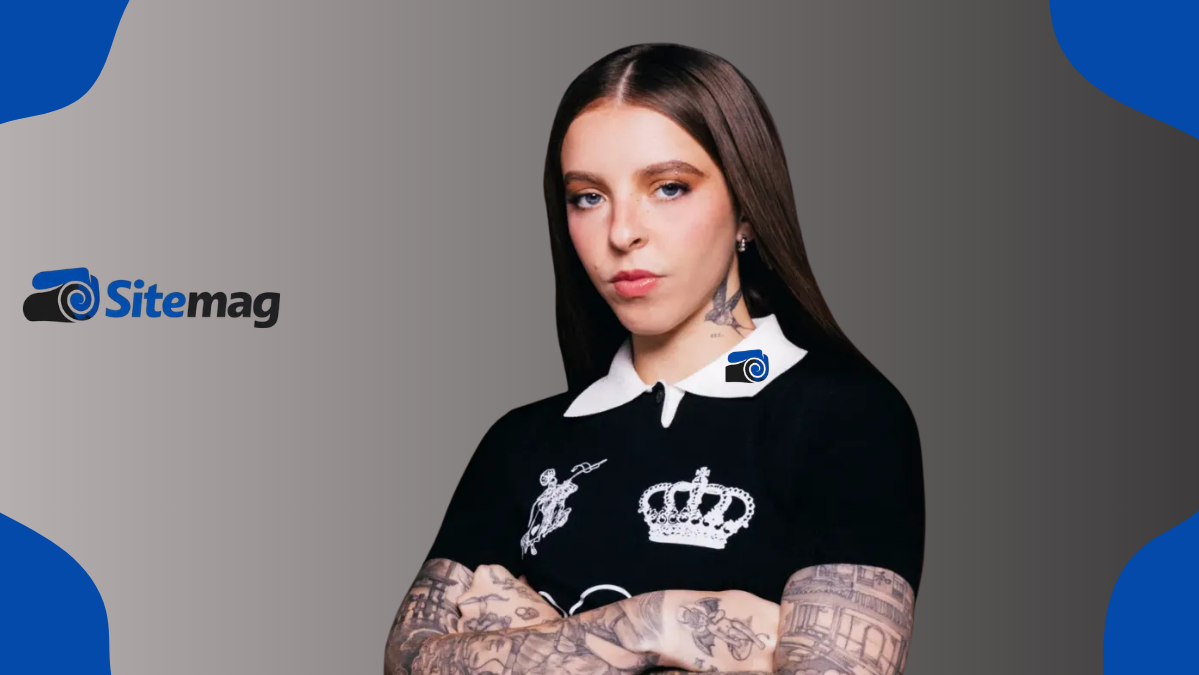
Introduction to Elizabeth Montana
Elizabeth Montana is a name that often appears in online searches, discussions, and various digital platforms, yet it does not always point to a single clearly documented public figure. Instead, it tends to function as a shared identity marker that can belong to different individuals, fictional references, or even user-generated profiles across the internet. Because of this, the name has developed a kind of ambiguity that makes it interesting to explore from an informational and cultural standpoint.
In many cases, when people search for “Elizabeth Montana,” they are trying to identify a specific person they may have encountered in social media, entertainment content, or professional listings. However, due to the lack of a singular widely recognized public personality with this exact name, the search results can vary significantly. This variation often leads to confusion but also highlights how modern digital identity works in fragmented ways.
From an expert perspective, the importance of understanding such names lies in recognizing how online information is structured. Not every frequently searched name corresponds to a famous individual; sometimes it reflects multiple smaller identities that collectively generate search interest. Elizabeth Montana is a good example of this digital phenomenon.
Background and Possible Interpretations of the Name
When analyzing the background of the name Elizabeth Montana, it is important to understand that it is a combination of a very common first name and a geographically or culturally significant surname. “Elizabeth” has deep historical roots, often associated with royalty, literature, and religious tradition, while “Montana” can refer to a surname, a place name, or even symbolic imagery connected to nature and openness.
Because of this combination, the name can appear in many unrelated contexts. It might belong to private individuals in different countries, fictional characters in Elizabeth Montana storytelling, or even digital aliases used on social platforms. This multiplicity of usage is why there is no single unified biography or background that defines Elizabeth Montana in a traditional sense.
From an informational standpoint, names like this often gain traction in search engines due to scattered mentions across blogs, social media posts, or entertainment databases. Instead of pointing to one verified identity, the name becomes a collection of references. Understanding this helps users interpret search results more accurately and avoid assuming that every name corresponds to a widely documented public figure.
Public Perception and Online Presence
The online presence of Elizabeth Montana is shaped largely by fragmented digital footprints rather than a centralized profile. In today’s internet ecosystem, it is common for names to appear in multiple unrelated contexts—such as social media accounts, comments, creative works, or informal mentions—without belonging to a single authoritative source.
Public perception in such cases is often influenced by the first few search results a user encounters. If someone comes across a particular profile or mention of Elizabeth Montana, they may assume it represents the definitive identity. However, without verified consolidation, these impressions can vary widely from person to person. This creates a layered and sometimes inconsistent digital identity.
Experts in digital behavior often highlight this as an example of how online reputation can form even in the absence of a public figure. A name does not need celebrity status to gain recognition; repeated exposure in different online spaces can make it feel familiar. Elizabeth Montana fits into this category, where recognition is driven more by repetition than by official prominence.
Cultural Relevance and Digital Identity Significance
From a cultural perspective, the name Elizabeth Montana reflects how modern naming conventions interact with global digital systems. In earlier eras, a name’s significance was tied primarily to documented achievements or historical records. Today, however, visibility online plays a much larger role in shaping how names are perceived and remembered.
Elizabeth Montana can be seen as an example of how identity is increasingly decentralized. A single name can exist simultaneously in multiple narratives—personal, fictional, professional, or entirely informal. This fluidity is a defining characteristic of internet culture, where context often matters more than fixed identity.
Additionally, the search interest around such names highlights the curiosity users have about digital identities. People naturally want to connect names to stories, achievements, or biographies. When that connection is unclear, the name itself becomes a topic of exploration. In this sense, Elizabeth Montana represents not just a person (or multiple people), but also the broader way humans interact with information in the digital age.
Conclusion
Elizabeth Montana is best understood not as a single clearly defined public figure, but as a name that exists across multiple contexts with varying levels of visibility and meaning. Its presence online demonstrates how modern identity is shaped by fragmented data, user-generated content, and search behavior rather than centralized records.
By examining the background, interpretations, and cultural relevance of the name, it becomes clear that its significance lies more in how it is used and encountered rather than in a single biography. This makes Elizabeth Montana an interesting case study in how names function within today’s interconnected digital world.
Ultimately, exploring such topics helps build a better understanding of online information patterns and reminds us that not every search term leads to a single definitive answer—sometimes, it leads to a broader reflection on identity itself.