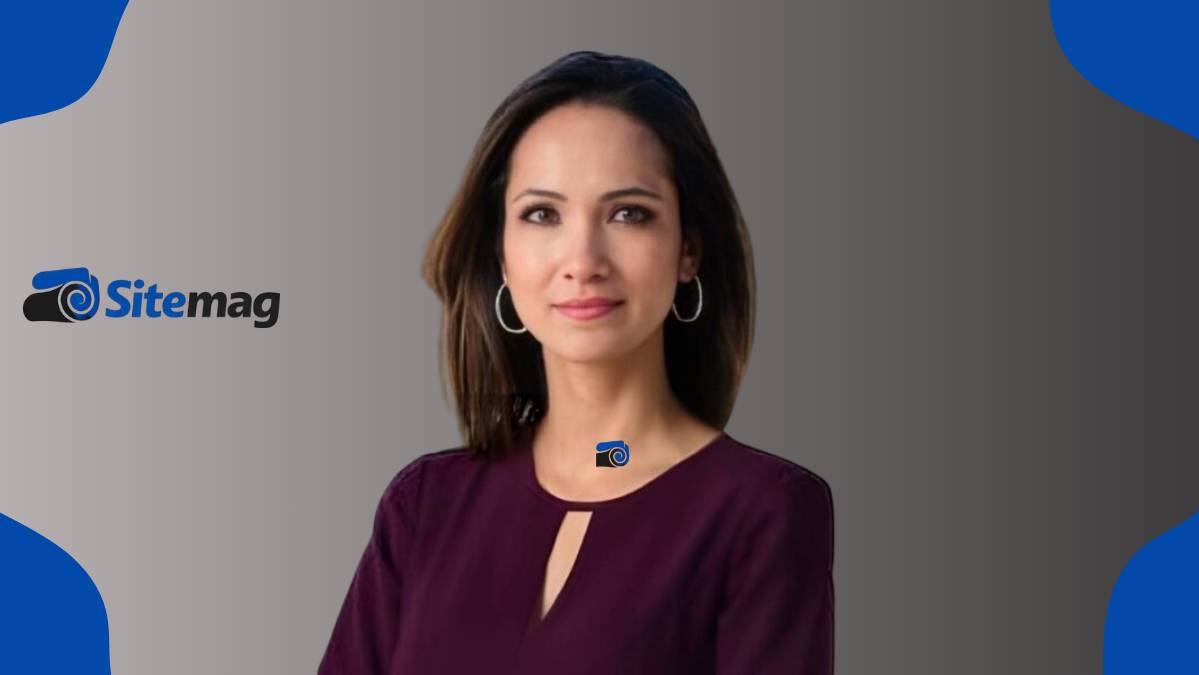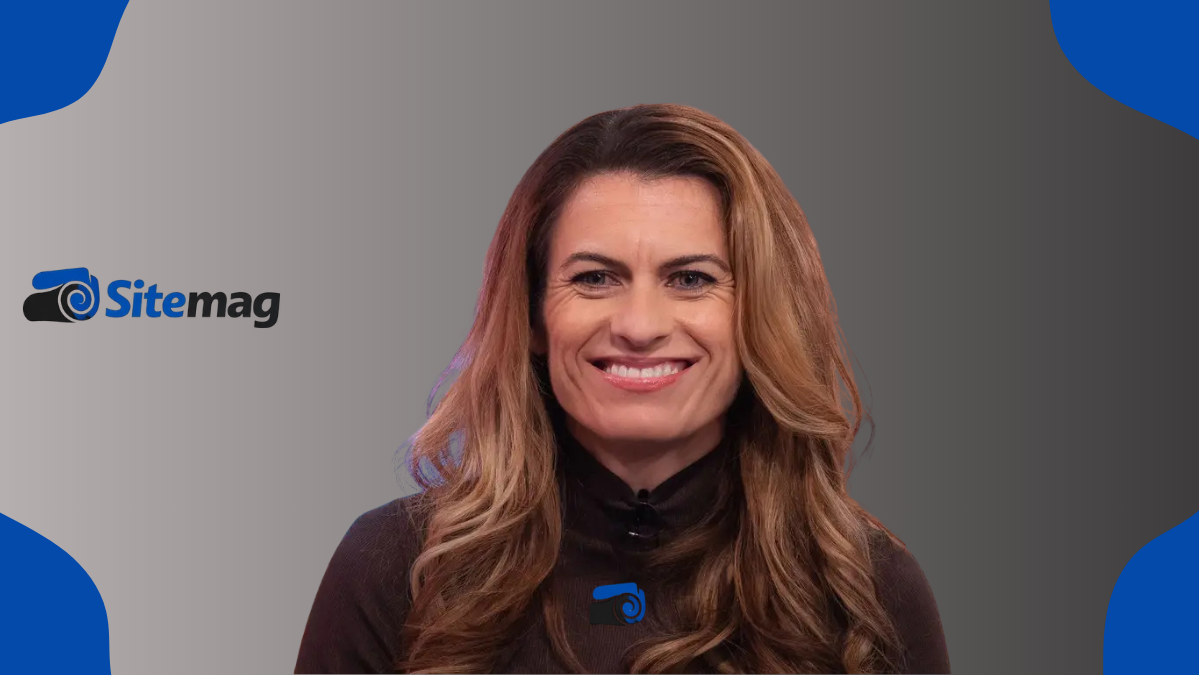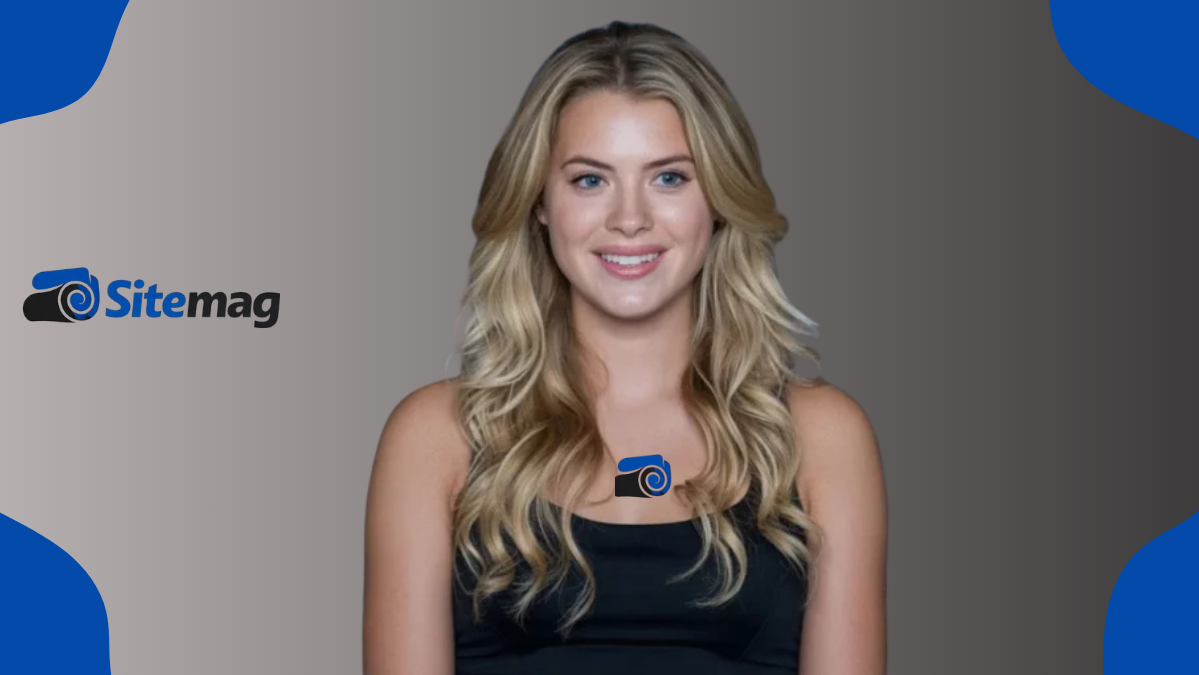
Who Is Taylor Breesey and Why the Curiosity Around Her Face
Taylor Breesey Face is one of those modern internet personalities who managed to gain attention without fully revealing everything about themselves. In an era where creators often build their brand on constant visibility, her partial anonymity has actually made her stand out even more. People know her through her content, style, and online presence, but one thing that keeps popping up in searches is the phrase “Taylor Breesey face.”
A big part of the curiosity comes from how audiences interact with influencers today. When someone consistently posts engaging content but keeps certain personal details private, it naturally creates intrigue. Viewers start wanting to “complete the picture,” and the face becomes the missing puzzle piece. In Taylor’s case, that curiosity has turned into a recurring search trend rather than just a passing question.
Another reason for this growing interest is the culture of connection on social media. People often feel like they “know” creators personally, even without ever seeing their full identity. This emotional closeness leads to a desire for more transparency, including what the person looks like. So when users search for “Taylor Breesey face,” it’s not just about appearance—it’s about curiosity, connection, and the human tendency to seek familiarity.
The Rise of “Face Reveal” Culture on Social Media
The internet has developed a very specific phenomenon over the years: the face reveal moment. Many creators start their journey by hiding their identity, using avatars, filters, or partial visuals. Eventually, some choose to reveal their face, and when they do, it often becomes a viral event. This culture has shaped how audiences engage with creators like Taylor Breesey.
Face reveals have turned into milestones in digital storytelling. Taylor Breesey Face They are often treated like major events, sometimes even more talked about than the actual content the creator produces. This has created a kind of expectation among audiences, where anonymity feels temporary rather than permanent. So when someone like Taylor Breesey continues creating content without a public face reveal, curiosity naturally builds.
At the same time, not every creator follows this path. Some intentionally maintain anonymity because it allows them to focus on content rather than appearance. Taylor Breesey Face This challenges the expectation that visibility equals authenticity. In fact, many audiences are beginning to understand that a creator’s value is not tied to what they look like, even if the curiosity around it never fully disappears.
Why Taylor Breesey Face Became a Trending Search Term
Search trends don’t appear randomly; they usually reflect collective curiosity. The keyword “Taylor Breesey face” started gaining traction because people were actively searching for clarity. Whether through social media discussions, comment sections, or short-form video platforms, the question kept resurfacing. Once enough people search for something, it naturally becomes a trending keyword.
Another factor behind this trend is algorithm behavior. Social platforms often amplify mystery-driven content. If a creator’s face is not fully visible, viewers tend to speculate, discuss, and search for answers. This engagement signals interest, which in turn pushes the topic further into visibility. As a result, more people become aware of the question and join the search.
It’s also worth noting that internet curiosity tends to snowball. One person asking “What does Taylor Breesey look like?” leads to another repeating the question, and Taylor Breesey Face soon it becomes a widely searched phrase. The interesting part is that the trend itself doesn’t always mean there is new information available—it often just reflects ongoing curiosity without resolution.
Privacy, Anonymity, and the Choice to Stay Unseen Taylor Breesey Face
One of the most overlooked aspects of discussions like “Taylor Breesey face” is the importance of privacy. In today’s digital world, choosing not to reveal your face is a valid and intentional decision. It allows creators to maintain boundaries between their online presence and personal life, which can be crucial for long-term sustainability.
Anonymity also gives creators more freedom in how they express themselves. Without the pressure of being constantly visually identified, they can focus on storytelling, creativity, and engagement. This often leads to content that feels more authentic in its message rather than its appearance. For some creators, this separation is not just preference—it’s a form of protection.
It’s also important to recognize that audiences sometimes forget that behind every username is a real person. While curiosity is natural, respecting boundaries is equally important. If someone chooses not to reveal their face, that decision deserves acknowledgment rather than constant pressure. In the case of Taylor Breesey, the mystery around her face is part of her online identity, whether intentional or not.
What We Can Learn From the Taylor Breesey Face Discussion
The ongoing interest in “Taylor Breesey face” says more about internet culture than it does about any single individual. It highlights how strongly people associate identity with appearance in digital spaces. Even when content is engaging and meaningful, there is still a persistent desire to attach a face to the name behind it.
At the same time, it opens up an important conversation about what really matters in online influence. Should a creator’s value be tied to their appearance, or should it be based on the content they produce? The popularity of anonymous or semi-anonymous creators suggests that audiences are beginning to appreciate substance over visibility, even if curiosity still exists.
Ultimately, the discussion also serves as a reminder of digital boundaries. Not everything online is meant to be fully uncovered, and not every mystery needs solving. Taylor Breesey’s Taylor Breesey Face situation reflects a broader shift in how people engage with online personalities—balancing curiosity with respect. And perhaps that balance is what modern internet culture is still learning to understand.